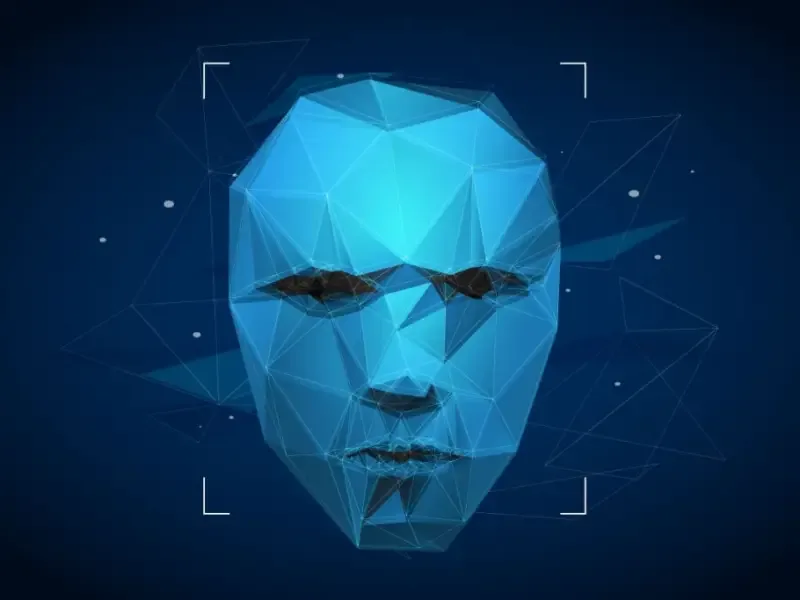
Face Recognition
Face recognition sounds like a single model doing a single job. In production, it's rarely that simple.
The Approach
The system splits the problem into two stages. First, faces are located and aligned using a pair of dedicated detector models, chosen specifically to handle varied poses, lighting, and image quality more reliably than any single detector could alone.
The Ensemble
Once a face region is isolated, it's handed to a trio of pretrained embedding models whose outputs are combined into a single ensemble decision — trading raw speed for meaningfully higher confidence when matching identities.
- Detection: MTCNN and RetinaFace
- Recognition ensemble: FaceNet, VGG-Face, and DeepFace
- Layered detection-then-recognition architecture
Why It Matters
This detection-then-recognition layering reflects a practical, production-minded approach to computer vision — built over roughly a month, going well beyond a typical single-model demo.